
CDC Centers for Disease Control and Prevention
Disability and Health Overview
What is disability?
A disability is any condition of the body or mind (impairment) that makes it more difficult for the person with the condition to do certain activities (activity limitation) and interact with the world around them (participation restrictions).
There are many types of disabilities, such as those that affect a person’s:
Vision
Movement
Thinking
Remembering
Learning
Communicating
Hearing
Mental health
Social relationships
Although “people with disabilities” sometimes refers to a single population, this is actually a diverse group of people with a wide range of needs. Two people with the same type of disability can be affected in very different ways. Some disabilities may be hidden or not easy to see.
According to the World Health Organization, disability has three dimensions:1
1. Impairment in a person’s body structure or function, or mental functioning; examples of impairments include loss of a limb, loss of vision or memory loss.
2. Activity limitation, such as difficulty seeing, hearing, walking, or problem solving.
3. Participation restrictions in normal daily activities, such as working, engaging in social and recreational activities, and obtaining health care and preventive services.
Disability can be:
Related to conditions that are present at birth and may affect functions later in life, including cognition (memory, learning, and understanding), mobility (moving around in the environment), vision, hearing, behavior, and other areas. These conditions may be
Disorders in single genes (for example, Duchenne muscular dystrophy);
Disorders of chromosomes (for example, Down syndrome); and
The result of the mother’s exposure during pregnancy to infections (for example, rubella) or substances, such as alcohol or cigarettes.
Associated with developmental conditions that become apparent during childhood (for example, autism spectrum disorder and attention-deficit/hyperactivity disorder or ADHD)
Related to an injury (for example, traumatic brain injury or spinal cord injury.
Associated with a longstanding condition (for example, diabetes), which can cause a disability such as vision loss, nerve damage, or limb loss.
Progressive (for example, muscular dystrophy), static (for example, limb loss), or intermittent (for example, some forms of multiple sclerosis.
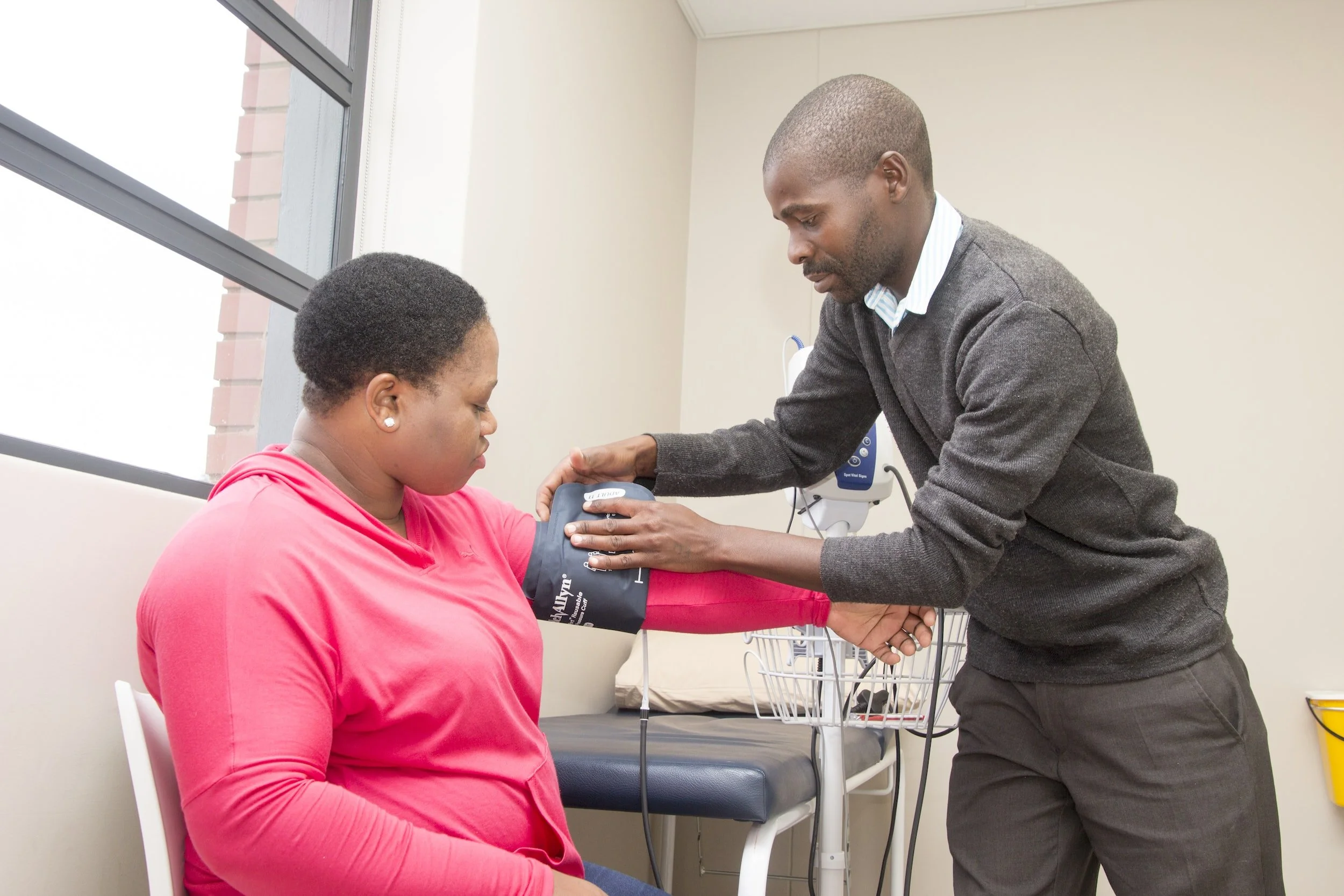
Best Diet to Lower Your Blood Pressure
The DASH diet, which stands for Dietary Approaches to Stop Hypertension, is one of the most effective dietary ways to lower your blood pressure.

Understanding Cholesterol
Cholesterol is a waxy, fat-like substance that circulates in your blood. It’s made by the liver but also enters the body via some of the foods we eat, particularly those high in saturated fats like red meats, butter, and processed foods. Cholesterol gets a bad rap because of its link to heart disease, but in actuality, it’s necessary for good health.